Food & dining
China Food, Dining & Etiquette Guides
Practical China food guides for foreign visitors: ordering delivery, street-food safety, spice levels, tipping, restaurant etiquette, and dining culture.
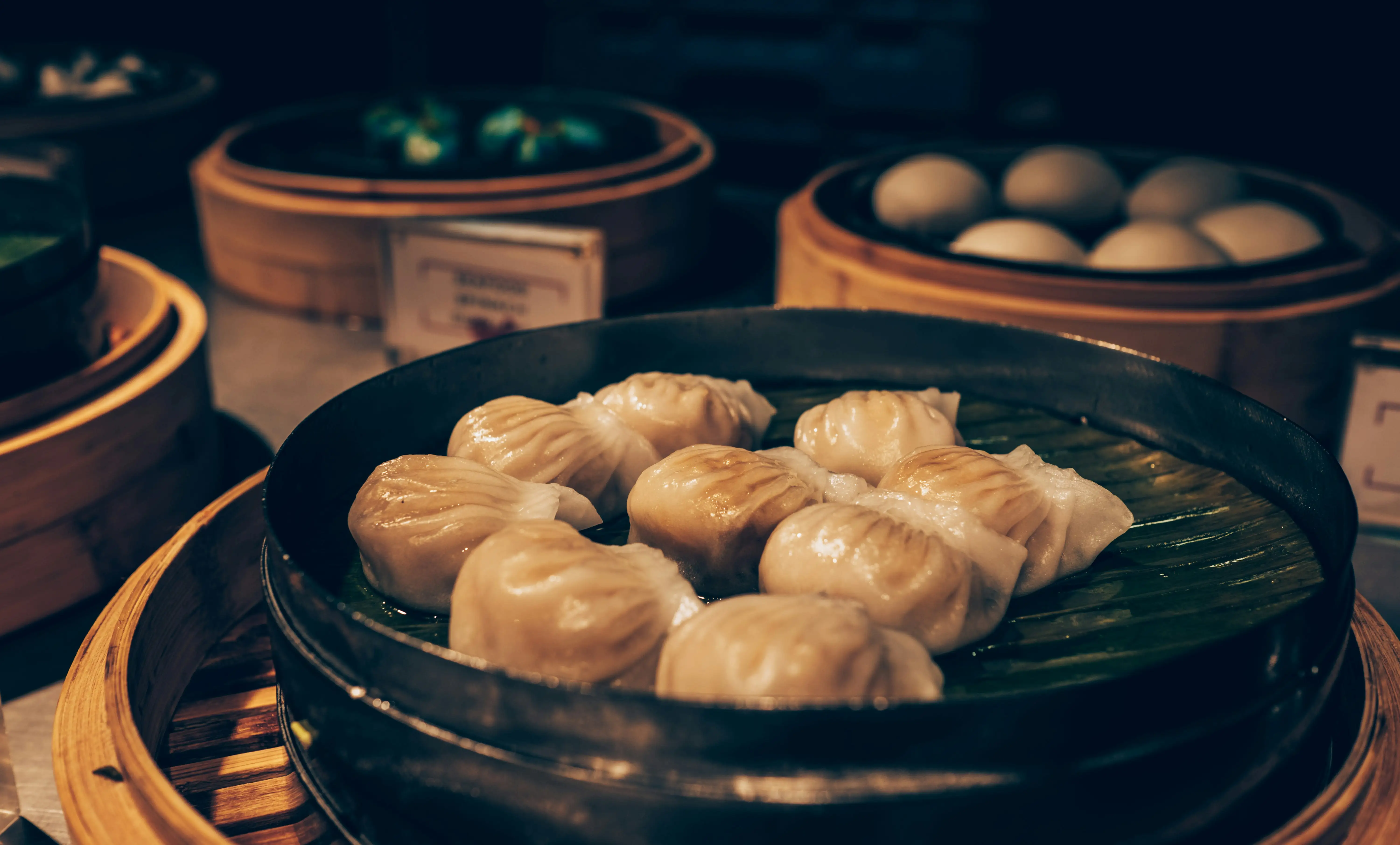
Chinese cuisine is one of the world’s great culinary traditions, with eight major regional styles. From fiery Sichuan hotpot to delicate Cantonese dim sum, from Beijing’s legendary Peking duck to Xi’an’s hand-pulled noodles — each region offers unique flavors and experiences. As a foreign visitor, you’ll find an incredible range of dining options, from street stalls and noodle shops to high-end restaurants and food courts in every mall. Modern China also offers food delivery apps like Meituan and Ele.me, making it easy to order meals to your hotel. Most cities have international food options too, though the real adventure is diving into local Chinese cuisine.
When eating out in China, a few practical tips help: major cities accept Alipay and WeChat Pay everywhere, but cash is useful for small street vendors. English menus are common in tourist areas but having a translation app handy helps at local restaurants. Tipping is not expected in China. Food safety is generally good in popular restaurants, though sticking to busy places with high turnover is wise. For those with dietary restrictions, note that Chinese cooking uses MSG widely, and many dishes contain soybean oil. Vegetarian options exist but communicating clearly helps avoid misunderstandings.
Food planning pathways
Order without Chinese
Set up delivery apps, save hotel addresses, and avoid courier-call confusion.
Eat street food safely
Use turnover, visible heat, water habits, and spice phrases to choose better stalls.
Handle dining etiquette
Know when not to tip, when service charges matter, and how local restaurant norms work.
Frequently Asked Questions
How do foreigners order food in China without speaking Chinese?
Use camera translation, picture menus, QR menus, or delivery apps with Alipay. Pointing at dishes also works better than people expect.
Is street food safe to eat in China?
Usually yes if the stall is busy and cooks food fresh in front of you. Avoid weak-looking setups, undercooked items, and unclear water handling.
Do I need to tip in China?
No. Tipping is generally not expected in mainland China, especially in ordinary restaurants, cafes, and delivery orders.
What should I do if I have food allergies in China?
Carry a Chinese allergy card, learn the main ingredients to avoid, and order at places where you can confirm the dish clearly before cooking.
Street Food Safety
China's street food scene is one of the most vibrant in the world, but smart choices make all the difference. Stick to stalls with high customer turnover and food cooked fresh in front of you — visible heat kills most risks. Avoid pre-cut fruit from roadside vendors and raw vegetables at small local eateries. Bottled water is cheap and widely available; skip tap water entirely.
Must-Try Dishes by Region
China's regional cuisines are wildly different, and eating your way across the country is half the adventure. In Sichuan, expect numbing peppercorns and fiery hotpot; in Cantonese (Guangzhou) cuisine, delicate dim sum and roast meats rule. Beijing is the home of Peking duck and hearty northern wheat noodles, while Xi'an is famous for hand-pulled biangbiang noodles and lamb-rich Muslim street food. Even a short trip can sample three or four distinct culinary traditions just by moving between cities.
Dietary Restrictions
Vegetarians and vegans can eat well in China if they know the right phrases. Buddhist temple restaurants serve excellent meat-free meals, and the phrase "wo chi su" (我吃素, I eat vegetarian) helps at local restaurants — though watch for hidden meat stocks and oyster sauce. Halal food is widely available in cities with Muslim communities, particularly Xi'an and Lanzhou, where halal noodle shops are everywhere. For gluten-free travelers, rice and rice noodles are staples in southern China, but soy sauce (common in most dishes) contains wheat — carrying a Chinese-language allergy card is essential.
Guides
Food and etiquette articles
Food Allergy in China 2026: Scripts and Emergency Plan
Food allergies in China need written scripts and backup plans. Use Chinese phrases, risky dish lists, pharmacy notes and emergency steps before eating out.
FoodChina Food Guide 2026: What to Order by Region Now
China food is regional, not one cuisine. Learn what to order in major areas, how spicy dishes get, food safety basics and useful restaurant phrases.
FoodChengdu Street Food 2026: What to Order Safely Now
Chengdu street food is worth it if you manage spice and hygiene. Learn safe stalls, must-order dishes, ordering phrases and what to skip.
EssentialsTipping in China 2026: Will You Offend Someone? The Real Rules for Tourists
Should you tip in China? A practical guide: when tipping offends, when it's welcome, and what locals actually expect from foreign visitors in restaurants, hotels, and taxis.
FoodOrdering Food in China Without Speaking Chinese: Meituan & Ele.me Guide
How to order food in China without speaking Mandarin, using Meituan, Ele.me, and Alipay for delivery, restaurant QR menus, payment setup, address tips, and backup plans.