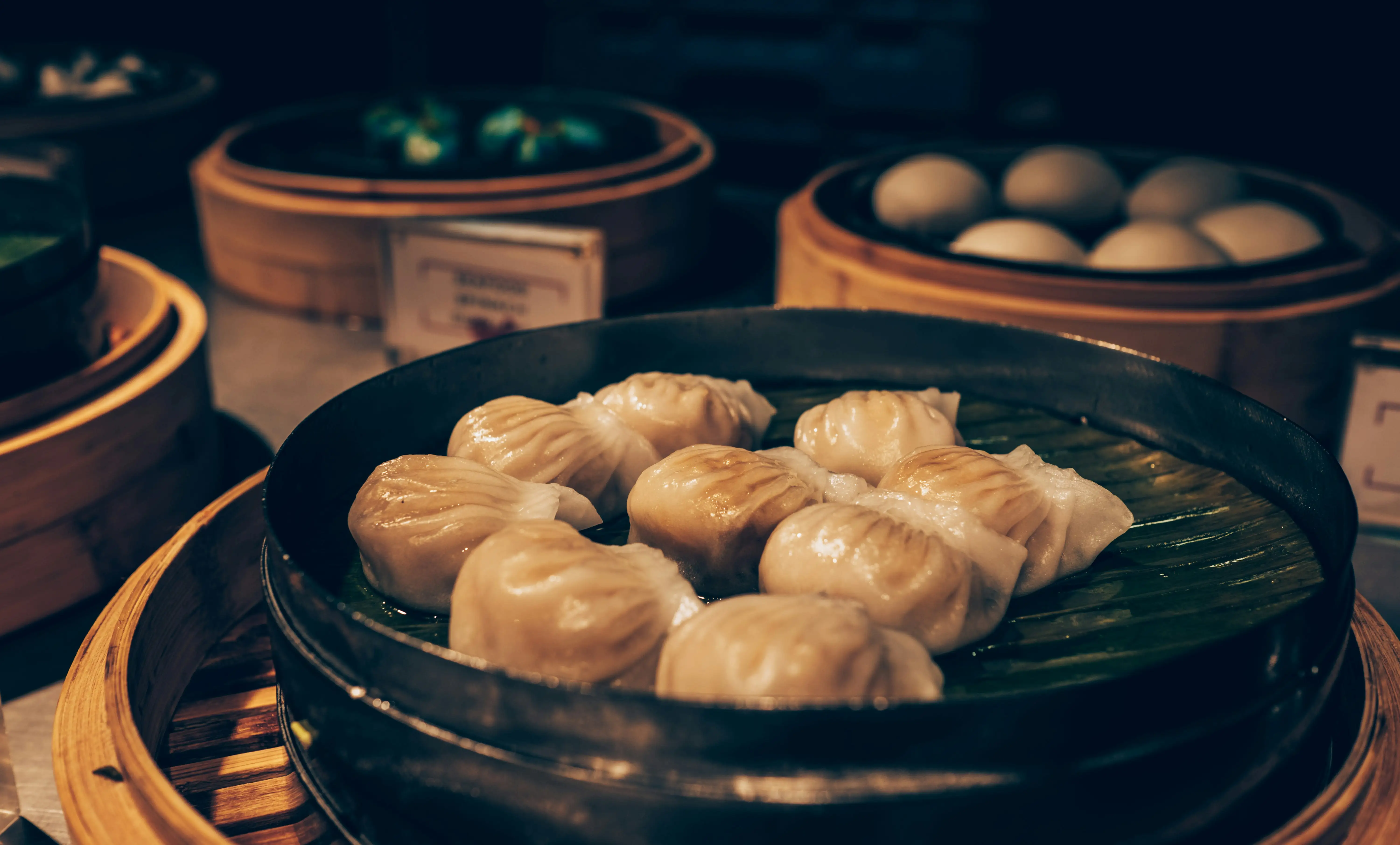
Chinese dining etiquette is not about becoming a flawless banquet actor. It is about avoiding the handful of moves that make a host wince, then relaxing enough to enjoy the meal. Most Chinese hosts are generous with foreigners. They will forgive clumsy chopsticks, confused ordering, and one or two awkward pauses. What bothers people more is a guest who ignores the social shape of the meal: grabbing the best seat, drinking like it is a dare, refusing everything too bluntly, or treating a shared table like an individual plate.
If you have already read our China food guide, you know the menu is regional and wildly varied. Etiquette has the same problem. A Sichuan hotpot with friends in Chengdu feels different from a Cantonese dim sum brunch, and both feel very different from a private room banquet with a supplier in Suzhou. Still, the basics travel well. Seating has hierarchy. Toasts have rhythm. Chopsticks carry taboos. The bill is rarely split with American-style precision.
Here is the practical version I would give a friend before their first serious meal in China.
Let the host seat you
The easiest etiquette win is doing almost nothing at the door. When you enter a private room, do not stride to the biggest chair or the seat with the best view. Wait for someone to point. If no one points, hover for a second, smile, and let the host solve it.
At many banquet tables, the seat facing the entrance or centered opposite the door is the main guest seat. The host often sits near that person, sometimes facing the door too, sometimes beside the service aisle so they can order, pour, and coordinate staff. Senior guests, older relatives, or business decision-makers get the better seats first. Younger people and junior staff sit nearer the door or service side. This is not rigid theater every time, but the pattern matters enough that grabbing the wrong seat can look careless.
A useful A vs B comparison: a casual noodle shop is about efficiency, while a banquet room is about relationship management. In a noodle shop, you sit wherever there is a stool, order fast, and a meal might cost typically ¥15-¥35 per person. In a banquet room, the host has probably booked ahead, ordered shared dishes, and may spend typically ¥200-¥600 per person, sometimes much more in a hotel restaurant. That second setting has a map. Let someone else read it.
If you are with friends and they say “sit anywhere,” believe them. But with clients, older relatives, teachers, officials, or anyone hosting you formally, wait. It costs you 10 seconds and saves a surprisingly common mistake.
Do not start eating first
The host normally signals the meal can begin. Sometimes they say “eat, eat” after the first dishes arrive. Sometimes they turn the lazy Susan toward the senior guest. Sometimes everyone just pauses until the most senior person picks up chopsticks.
This pause can feel painfully long if you are hungry. Hold steady. Take photos if everyone else is taking photos, but do not stab the first dumpling while the host is still ordering tea. In many restaurants lunch rush runs roughly 11:30-13:00 and dinner 17:30-19:30, so service can be quick and plates may pile up fast. Speed in the kitchen does not mean speed at the table.
When dishes arrive, use serving chopsticks if they are provided. If there are no serving chopsticks, use the top end of your own chopsticks only if locals are doing the same; otherwise take from the edge of the shared dish closest to you. Do not dig through a platter looking for the biggest shrimp. That reads badly everywhere, but Chinese shared dining makes it extra visible because everyone is watching the same central plates.
Toasting is a conversation, not a drinking contest
Chinese toasting is where foreigners most often panic. The glass is small, the baijiu is strong, and someone cheerful is saying “ganbei” like it is a friendly command. Baijiu commonly sits around 40-53% ABV. Even a tiny 10-15 ml cup adds up after several rounds. If you are not used to it, three full ganbei toasts can hit harder than you expected.
The good news: you have options. The bad news: you should choose your option early.
If you drink, pace yourself from the first toast. Do not prove bravery with the first cup and regret it by the sixth. A formal dinner may include an opening toast from the host, a return toast from the guest, table-wide toasts, then individual toasts that loop around the room. A two-hour meal can easily include 6-12 drinking moments, especially in business or wedding-style settings. Verify online and locally if alcohol rules matter for your trip, because company policies and health expectations vary.
If you do not drink, say it clearly before the first pour. “I cannot drink alcohol, but I would love to toast with tea” is much better than accepting baijiu, refusing the actual toast, and leaving everyone confused. Medical reasons are usually understood. Driving is understood. Religious reasons are understood. A vague “I do not like it” can still work among friends, but in formal settings it invites negotiation.
Hold your glass with two hands when toasting someone senior or hosting you. If you want to show respect, touch your rim slightly lower than theirs when clinking. You do not need to make a dramatic bow, and you do not need to chase every person around the table. Watch the room. Copy the middle of the behavior, not the loudest guy.
For context on the no-tip side of restaurant culture, pair this with our guide to why China has no tipping culture. At hosted dinners, gratitude often appears through words, return invitations, and toasts rather than leaving cash on the table.
The chopstick taboos are simple
You do not need perfect chopstick technique. You do need to avoid a few visual signals.
Do not stick chopsticks upright in rice. It resembles incense offerings and has funeral associations. Lay them across your bowl or on the chopstick rest.
Do not point with chopsticks. It feels accusatory and childish. Use a hand gesture or words instead.
Do not tap bowls with chopsticks. It can read as beggar-like behavior or just plain noisy. Children may do it; guests should not.
Do not spear food unless there is truly no other way. If a slippery mushroom defeats you, laugh, try again, and move on. Nobody reasonable cares. Repeatedly stabbing shared food with chopsticks looks rough.
Do not pass food chopstick-to-chopstick. In several East Asian cultures this resembles funeral bone-passing rituals. In China the association may not be explained at the table, but avoiding it is easy.
Small etiquette, big return: rest your chopsticks neatly when speaking. A table full of shared dishes looks chaotic enough. Your calm hands tell the host you are present and not just attacking dinner.
Shared dishes are not a buffet
Foreigners from individual-plate cultures often make the same mistake: they load up their personal bowl like they are building a private dinner. Chinese shared dining works better in small rounds. Take a modest piece or two, eat, talk, then take more later.
On a lazy Susan, turn slowly and check that no one is serving themselves before you move it. Never spin it while someone has chopsticks in a dish. If the host rotates a special dish toward you, take some. If you really cannot eat it, give a warm reason: “It looks excellent, but I am allergic to shellfish” or “I am full, but thank you.” A blunt “I do not eat that” lands colder than you think.
Fish can be delicate etiquette territory. In some places, flipping a whole fish over is avoided because it sounds like overturning a boat, especially among coastal or business diners. The simple fix is to let a local handle the fish. Take what is offered. Avoid moving the head or tail around unless someone invites you to.
Bones, shells, and scraps usually go on a small side plate or the table area beside your bowl, depending on the restaurant setup. In nicer places, use the side plate. In very casual restaurants, watch locals. If you are eating hotpot or street food, the rules loosen dramatically. Our Chengdu street food guide is a better reference for those loud, fast, sauce-splattered meals.
Paying the bill: do not fight too theatrically
Chinese meals are often hosted. One person pays, especially if they invited the group, chose the restaurant, or has senior status. Among friends, people may split through WeChat or Alipay after the meal, but the visible bill moment is still less itemized than in many Western countries.
If someone clearly invited you as a guest, offer once or twice, then let them host. A wild ten-minute bill wrestling match can become embarrassing. Better moves: bring a thoughtful small gift, send a thank-you message afterward, pay for coffee later, or host the next meal. In a casual friend group, splitting is normal and fast through mobile payment. A simple dinner might be ¥60-¥150 per person in a mid-range restaurant; a roast duck or hotpot meal for two often lands around ¥250-¥500 depending on city and ordering. Verify online before budgeting for a specific restaurant, because tourist-area prices swing.
Do not tip at ordinary mainland restaurants. Pay the amount shown. Some high-end hotel restaurants add a 10-15% service charge, but that is already on the bill. Extra cash can confuse staff, and in small places they may chase you to return what they think you forgot.
What not to do, even if nobody explains why
Do not refuse every dish. Try something, even a small bite, unless you have a real dietary issue. Hosts show care by ordering generously, and total refusal makes that care harder to land.
Do not make disgust faces. China has ingredients that may be unfamiliar: chicken feet, offal, jellyfish, sea cucumber, century egg. You do not have to love them. You do have to keep your face civilized.
Do not lecture the table about “authentic” food. Your favorite Chinese restaurant back home is not the benchmark. Regional Chinese diners already know their food; they do not need a visitor explaining kung pao chicken.
Do not overpraise one dish so aggressively that the host orders three more plates of it. A pleasant “this is delicious” is enough. If you keep returning to a dish, someone may assume you need more.
Do not ignore tea. Tea is often used to reset the meal, warm the conversation, and give non-drinkers a toast option. If someone refills your cup, a light two-finger tap on the table is a common quiet thank-you in southern China and increasingly recognized elsewhere. You can also just say thank you.
A simple playbook for your first hosted dinner
Arrive on time, ideally 5-10 minutes early if you are meeting outside the restaurant. Let the host pick the seat. Wait before eating. Take small portions from shared dishes. Praise the food without performing. If alcohol appears, decide your drinking boundary immediately. Toast with two hands, keep your glass slightly lower for senior people, and do not let the evening turn into a test of endurance.
When the bill comes, offer politely but do not turn payment into a sport. Send a thank-you afterward. If the relationship matters, invite them to the next meal and actually follow through.
That is enough. You will still make tiny mistakes, because everybody does. Chinese hosts care far more about your attitude than your technical perfection. Be observant, be generous in your reactions, and never plant your chopsticks upright in rice. That one is non-negotiable.
Loading comments...