Introduction
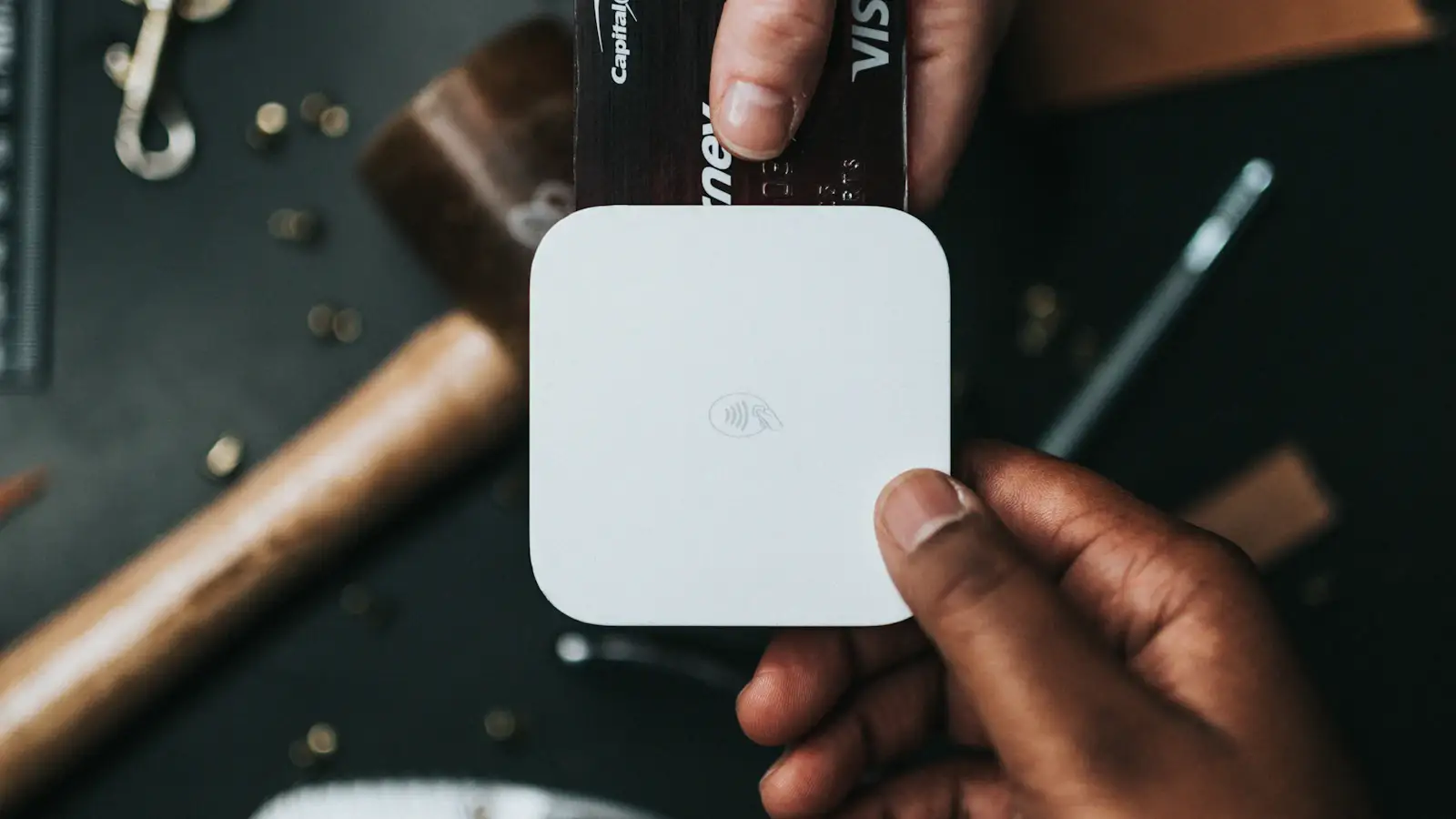
You’ve probably read that China is a cashless society where everyone pays by phone. That’s true, but it leads a lot of visitors to a wrong conclusion: that they can simply tap their foreign credit card the way they would at home. The reality in 2026 is more nuanced. China spent 2024 and 2025 working to make foreign cards easier to use, and acceptance has genuinely improved, but there are still plenty of places where your Visa or Mastercard will get a blank stare.
This guide explains exactly where a foreign credit card works in China today, where it doesn’t, how to get cash when you need it, and how to avoid the fees and declines that catch travelers out. The short version: bring your card, but don’t rely on it alone.
Before You Begin
A few things are worth sorting out before you fly.
First, call your card issuer or set a travel notice in your banking app. A charge appearing from China without warning is a classic fraud trigger, and a frozen card is much harder to deal with here than in a country where cards are universally accepted.
Second, check your card’s foreign transaction fee. Many cards charge 1 to 3 percent on every foreign purchase, and some also add ATM fees. If you have a card that waives foreign transaction fees, bring that one.
Third, understand the landscape you’re walking into. Physical card acceptance in China is improving but still patchy. The single most effective thing you can do is link that same card to a mobile wallet, which we cover in our dedicated payment guides. Think of your physical card as your backup and your ATM key, not your everyday spending tool.
Where Foreign Cards Work in China
Acceptance breaks down fairly predictably by the type of business.
Places Where Your Card Usually Works
International and upscale hotels are the most reliable. Airports, both for shops and services, generally accept foreign cards. Large department stores, international chain retailers, and higher-end restaurants aimed partly at travelers have mostly upgraded their terminals to take Visa, Mastercard, and often Amex. If you’re paying a sizable bill at an established, tourist-facing business, your card will probably go through.
Places Where It Often Fails
Small local restaurants, neighborhood shops, wet markets, street food stalls, and independent vendors are where foreign cards frequently don’t work. Many simply don’t have a terminal that accepts international cards, because their entire customer base pays by phone. Public transport, convenience purchases, and small everyday transactions fall into this category too. This is exactly the gap that a mobile wallet fills.
The pattern to remember: the bigger and more tourist-oriented the business, the better your chances. The smaller and more local, the more you’ll need mobile pay or cash.
Getting Cash From ATMs
Even in a mobile-first economy, cash remains a useful fallback, and ATMs are the cleanest way to get yuan at a fair rate.
Stick to major banks. Bank of China and ICBC are the most reliable for foreign cards and generally accept Visa, Mastercard, Plus, and Cirrus network cards. Before inserting your card, glance at the machine for your network’s logo.
Watch the per-transaction limit, which is commonly around 2,500 to 3,000 RMB at these banks. The daily ceiling is higher, often around 10,000 RMB, so you can withdraw more than once. Because many home banks charge a flat fee plus a percentage on each withdrawal, pulling the maximum in a single transaction minimizes what you pay in fees relative to the cash you get.
Most importantly, when the ATM asks whether to charge in your home currency or in yuan, always choose yuan. Accepting the home-currency option hands the conversion to the machine at a marked-up rate, costing you a few extra percent for nothing.
Step-by-Step: Paying Smoothly on Your Trip
Here’s a practical sequence that keeps you covered in every situation.
-
Before departure, set a travel notice on each card you plan to bring, and confirm your foreign transaction fees so you know which card is cheapest to use.
-
Link your card to a mobile wallet. Set up Alipay or WeChat Pay with your foreign card before or shortly after you arrive. This becomes your primary everyday payment method and covers the many places a physical card can’t.
-
Carry one physical card as backup. Keep it for hotels, ATMs, and larger establishments. A second card stored separately is smart insurance in case one is lost or frozen.
-
Withdraw a cash buffer on arrival. Use a Bank of China or ICBC ATM to pull a modest amount of yuan, choosing to be charged in yuan. This covers the small vendors that take neither card nor, occasionally, foreign-linked wallets.
-
At the point of sale, always pay in yuan. Whether at a card terminal or an ATM, decline any offer to convert to your home currency.
-
Keep receipts and monitor your account. Check your banking app periodically so you catch any incorrect charge or unexpected block early, while you can still act on it.
Common Problems and Fixes
If your card is declined at a business that supposedly accepts foreign cards, ask them to try running it as a credit transaction rather than debit, and confirm the terminal actually supports international networks. Some staff aren’t used to foreign cards and assume they won’t work when they would.
If your card gets frozen mid-trip, contact your issuer immediately through the number on the back of the card or your banking app. This is exactly why a travel notice and a backup card matter.
If an ATM rejects your card, try a different major bank, particularly Bank of China or ICBC, before assuming the card is the problem. Not all machines accept all networks.
If the fees feel high, remember the two levers you control: use a no-foreign-fee card where possible, and always transact in yuan rather than your home currency.
Read Next
- How to Pay in China as a Tourist
- Alipay Foreign Credit Card Step by Step
- How Much Cash Should You Bring to China?
Summary
Foreign credit cards work in more places in China than they did a couple of years ago, but acceptance is still concentrated in hotels, airports, large stores, and tourist-facing businesses. Small local vendors, where a lot of the best food and shopping is, largely don’t take them. The winning strategy for 2026 is layered: link your card to Alipay or WeChat Pay for everyday spending, keep a physical card for hotels and ATMs, carry a modest cash buffer withdrawn from a Bank of China or ICBC machine, and always choose to be charged in yuan. Set a travel notice before you go, bring a backup card, and you’ll move through China without ever being stuck at a register.
Loading comments...