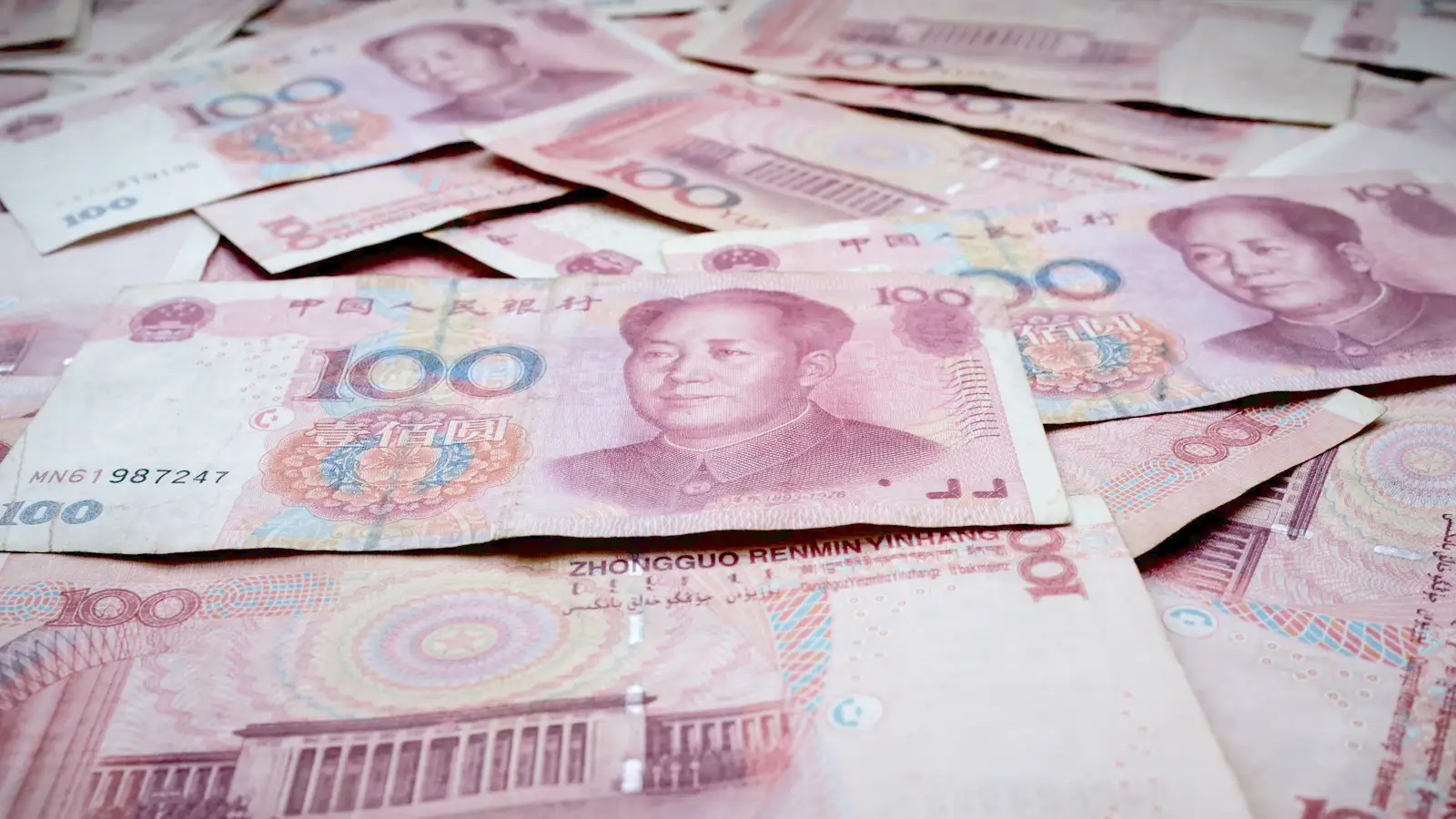
Introduction
China runs on phones. Locals pay for nearly everything, from a subway ride to a bowl of noodles, by scanning a QR code, and the country can feel almost entirely cashless. So it’s a fair question for any visitor: do I even need cash, and if so, how much?
The honest answer is that you need less than you’d think, but not zero. Cash in China in 2026 is a safety net rather than a primary tool. It rescues you when a small vendor doesn’t take mobile pay, when your wallet app hiccups during verification, or when you’re somewhere rural. This guide covers exactly how much to bring, where you’ll actually spend it, how to exchange money without losing to bad rates, and the customs limits you should know before you fly.
Before You Begin
Set your expectations first. Your main payment method in China should be a mobile wallet, either Alipay or WeChat Pay, linked to your foreign card. That handles the overwhelming majority of transactions. Cash sits underneath that as backup.
Because of this, you don’t need to arrive with a thick stack of yuan. In fact, over-exchanging is a common mistake, because converting a large sum upfront means worse rates and leftover currency to change back later. A better model is to bring a small starter amount or withdraw on arrival, then top up from ATMs as you go.
Also know that foreign cash itself, whether dollars or euros, is not spendable in China. It must be exchanged for yuan first. So the only reason to carry foreign currency is to exchange it at a bank.
How Much Cash to Actually Bring
For a typical one-week trip, a buffer of roughly 1,000 to 2,000 RMB in cash is comfortable for most travelers. That covers the scattered situations where mobile pay isn’t an option, without leaving you carrying a risky amount. For longer trips, you don’t need to scale this up linearly, because you can withdraw more from ATMs whenever you run low.
Here’s a rough guide by trip length and travel style:
| Trip length | Budget | Standard | Comfort / luxury |
|---|---|---|---|
| 3–4 days | 500–800 RMB | 800–1,200 RMB | 1,000–1,500 RMB |
| 1 week | 800–1,200 RMB | 1,000–2,000 RMB | 1,500–2,500 RMB |
| 2 weeks | 1,000–1,500 RMB | 1,500–2,500 RMB | 2,000–3,000 RMB |
Budget travelers tend to use more cash (street food, markets, hostels). Luxury stays and upscale restaurants lean on mobile payment, so the cash buffer shrinks. In all cases, you can top up from ATMs as you go — treat these as starting amounts, not totals for the whole trip.
The logic is simple. Mobile payment covers most of your spending, so cash only needs to fill the gaps. Carrying more than a couple thousand yuan mostly means more to lose if your wallet goes missing, with little upside.
Keep some of that cash in small notes. A vendor at a market or a temple donation box is far easier to handle with 10 and 20 yuan notes than with a 100.
A Practical First-Day Cash Plan
If you are landing in China for the first time, think in stages rather than trying to solve the whole trip before departure. Arrive with enough RMB for the first evening, then adjust once your phone, hotel, and payment apps are working.
For most travelers, the cleanest first-day setup is:
- Keep 300 to 500 RMB in small notes for airport food, a taxi backup, a hotel deposit, or a SIM counter.
- Withdraw another 700 to 1,500 RMB from a major-bank ATM after you have checked into your hotel.
- Split the cash between your wallet, day bag, and luggage so one lost wallet does not leave you with nothing.
This avoids two common mistakes. The first is arriving with zero cash and discovering that your card, wallet app, or roaming data does not work at the exact moment you need it. The second is carrying 5,000 RMB or more because you are worried China will be hard to pay in. In most cities, the opposite is true: mobile payment is easy once set up, and too much cash becomes a storage problem.
Families should add a little more buffer because one person may be paying for multiple meals, taxis, tickets, and deposits. Solo travelers can usually stay at the lower end. If you are visiting smaller towns, hiking areas, temples, rural guesthouses, or local markets, keep more small notes than a traveler spending a week in central Shanghai.
Where You’ll Still Spend Cash
The situations that reliably call for cash: small vendors and rural areas, some older taxis, temple donation boxes, and any time your mobile wallet app fails. By law, all vendors must accept RMB, making it a guaranteed fallback. For a full breakdown of where cash gets accepted and refused — including denomination tips and troubleshooting — see cash in China for foreigners.
When Cash Is the Wrong Main Strategy
Cash is useful as a backup, but it should not be your main payment plan in major Chinese cities. Many restaurants, shops, train stations, and ride-hailing flows are designed around QR codes. Staff can accept RMB notes, but paying every transaction in cash may slow you down, especially when exact change is hard.
Large notes can also create friction. A 100 yuan bill is normal at a hotel or supermarket, but it can be awkward at a breakfast stall selling 8 yuan buns. Keep a mix of 10, 20, 50, and 100 yuan notes. Coins and 1 yuan notes are useful for old vending machines, public lockers, and small local purchases, but you do not need to collect a huge pile.
If your China trip depends on trains, airport transfers, and ride-hailing, finish the digital setup first. Link your foreign card to Alipay or WeChat Pay, test a small payment where possible, and save your hotel address offline. Cash then becomes insurance, not the whole system.
Exchanging Money the Smart Way
Getting yuan at a fair rate comes down to choosing the right channel and avoiding a couple of traps.
Banks give the best rates, with Bank of China being the go-to, while airport exchange counters give the worst. If you bring foreign cash to exchange, bring clean, undamaged US dollars or euros, since banks may reject torn or marked notes.
The most convenient approach for many travelers is to skip cash exchange entirely and simply withdraw yuan from a Bank of China or ICBC ATM on arrival. This gives you a bank-grade rate directly, without carrying foreign cash to exchange. When the ATM or a counter offers to convert in your home currency, always choose yuan instead, or you’ll pay an extra markup.
Because you can top up so easily from ATMs, resist the urge to convert a large sum at once. Smaller, as-needed withdrawals leave you with less unused currency to change back when you leave.
Customs Limits You Should Know
There are legal thresholds for carrying money across the border. You must declare to Chinese customs if you’re bringing in or taking out more than the equivalent of USD 5,000 in foreign currency, or more than 20,000 RMB in yuan.
For an ordinary tourist trip, you’ll be comfortably below both limits, so this rarely comes up. But if you’re planning to carry a substantial amount of cash for any reason, stay under these thresholds or be prepared to declare, and keep exchange receipts for larger amounts in case you want to convert leftover yuan back on departure.
Loading comments...